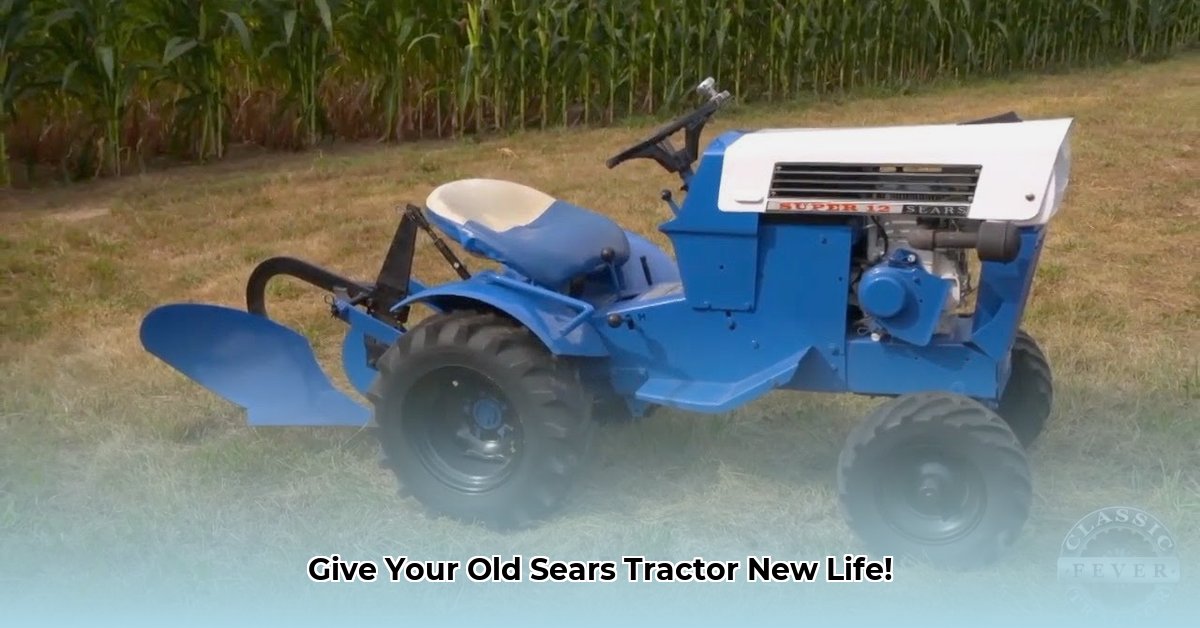
A Blast from the Past: More Than Just a Mower
Remember those iconic Sears Craftsman lawn tractors? More than just garden workhorses, they represent a bygone era of simpler times and family weekends spent tending the yard. Many were built by companies like AYP or MTD, creating a fascinating blend of Sears’ retail prowess and the engineering of other manufacturers. If you own one of these beauties, you're not just looking at an old machine—you're holding a project brimming with potential! This guide helps you bring your vintage Sears tractor back to life. Have you ever wondered about the history behind these machines? Let's delve in! For more information on lawn tractors with trailers, check out this useful resource.
Identifying Your Old Friend: Model Matters
Before you even consider starting the engine, you need to identify your specific model. This is crucial for parts sourcing and valuation. Look for model and serial numbers—usually stamped on a metal plate under the seat or hood. Websites like TractorData.com are invaluable resources for identifying specifics. Pay close attention to details: the deck's shape, engine type, and any unique chassis features all contribute to precise identification. Taking clear photos from various angles creates a visual identification record. This step is the foundation of your restoration project. Do you know where to find your tractor’s model number?
Key Identifying Features: A Visual Guide
(Include images here showing common location of model/serial numbers and examples of different model variations).
What's It Worth? Assessing Your Tractor's Value
The value of your vintage Sears tractor hinges on its condition. A fully restored, perfectly running model is far more valuable than one needing significant repairs. Here's a breakdown:
- Mechanical Condition: A smoothly running tractor holds significantly higher value. A healthy engine is paramount.
- Cosmetic Appearance: While functionality is key, appearance matters. A well-maintained tractor with minimal rust is more desirable.
- Originality: Original factory parts increase value; aftermarket replacements decrease it.
- Rarity: Uncommon models command higher prices due to their scarcity.
(Include a table summarizing these factors with illustrative images here)
The Great Parts Hunt: Sourcing the Essentials
Finding parts for old Sears tractors can be challenging but rewarding. Online marketplaces like eBay are a primary starting point. Utilize model and part numbers for targeted searches. However, some parts remain elusive. Don't lose hope; join online forums and communities dedicated to vintage tractors. These offer invaluable support, parts for sale or trade, and a wealth of knowledge. Local salvage yards are also potential treasure troves. Consider your approach; are you ready for the hunt?
Online Resources and Communities: Expanding Your Search
(Include links to relevant forums and online communities here).
The Restoration Journey: A Step-by-Step Guide
Restoring a vintage Sears tractor is a rewarding process requiring patience and attention to detail. Every step brings you closer to completion!
- Disassembly: Carefully disassemble the tractor, photographing each step. A numbered system ensures organization.
- Deep Clean: Thoroughly clean each component. Rust removal is crucial. Wire brushes, chemical cleaners, or a combination may be necessary.
- Repair or Replace: Repair salvageable parts, but replace those beyond repair. Prioritize safety components like brakes and steering.
- Reassembly: Carefully reassemble the tractor, referring to your disassembly photos.
- Initial Test: Start the engine briefly, gradually increasing run time. Monitor for issues.
- Fine-Tuning: Adjust as needed to ensure smooth and safe operation.
(Include illustrative photos or diagrams for each step here).
Keeping It Running: Maintenance and Safe Operation
Regular maintenance is crucial for long-term functionality and safety.
- Engine Care: Keep the engine clean, lubricated, and well-fueled. Change oil and filters regularly following manufacturer recommendations.
- Belt Inspection: Regularly check belts for wear and replace if needed.
- Safety First: Always prioritize safety procedures before starting and operating. Wear appropriate safety gear.
Connecting With the Community: Sharing the Passion
You're not alone in your vintage Sears tractor enthusiasm! Join online forums and collector's clubs. These provide invaluable information, support, and camaraderie. Sharing your passion strengthens the community and makes the experience even richer. Have you considered joining an online forum?
(Include links to relevant forums and communities here).